Texture Culture: The Manly Sans Serif for Modern Brands
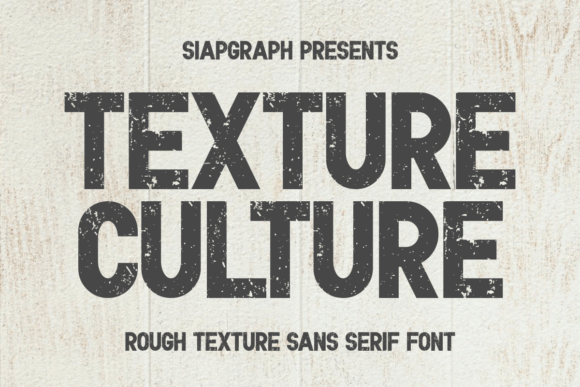
Sometimes, a font hits your screen and you just know it’s going to be a workhorse. That’s the immediate vibe with Texture Culture. It’s not just another set of letters; it’s a statement. This cool texture sans serif font brings a raw, tactile energy that digital typography often lacks. In a world saturated with sterile, perfect vectors, Texture Culture offers a breath of rugged air. It has a manly style that feels confident and grounded, yet it remains surprisingly versatile. Whether you’re building a brand from scratch or refreshing your creative assets, this typeface has the potential to elevate your work from standard to standout.
A Typeface Built for Impact and Authenticity
What makes Texture Culture visually appealing isn't just its shape, but its surface. The "texture" in the name isn't an afterthought—it’s integral to the font’s personality. It combines the clean, approachable structure of a sans serif with the gritty, authentic feel of a hand-stamped print or a weathered surface. This gives it a unique character that feels both modern and timeless. For designers and creators, this means you can achieve a high-end, artisan look without spending hours adding distress effects or overlays in Photoshop. The texture is built right in, ensuring consistency across every letter.
This font is a fantastic asset for anyone looking to inject some personality into their projects. It’s perfect for the craft brewery that wants to stand out, the fitness brand that needs to convey strength, or the men’s grooming line that aims for sophistication with an edge. It’s also surprisingly effective for editorial layouts, where a bold, textured headline can draw readers in and set a specific mood before they’ve read a single word of the body copy.
Practical Applications: Where Texture Culture Shines
Let’s talk real-world use. The true test of a premium font is how it performs across different mediums. Texture Culture excels here, making it a versatile addition to any designer’s toolkit.
Branding & Logo Design: Your logo is the face of your brand. Using Texture Culture here immediately communicates a sense of craftsmanship and authenticity. It’s a fantastic choice for brands in outdoor adventure, artisanal food and drink, bespoke tailoring, or even tech startups that want to project a more human, less corporate image. The textured sans serif style ensures your logo is memorable and stands out in a sea of smooth, generic wordmarks.
Packaging & Merchandise: Physical products need fonts that look good on screen and even better in print. The inherent texture of this typeface translates beautifully to packaging design—think coffee bags, sauce labels, or cosmetic boxes. It adds a tactile quality that encourages customers to pick up the product. The same principle applies to merchandise like t-shirts, hats, and tote bags, where the font’s manly style can become a central design element.
Digital Presence: From website headers to social media graphics, Texture Culture grabs attention. On a website, use it for hero text or section headings to create strong visual anchors. For social media, it’s a game-changer. Instagram stories, Facebook ads, and Pinterest pins featuring this font will have a distinct, professional look that cuts through the noise. It pairs exceptionally well with clean, minimalist layouts, providing a perfect contrast.
Enhancing Your Visual Communication Strategy
Choosing the right font is a strategic decision that impacts how your audience perceives you. Texture Culture isn’t just about looking cool; it’s about effective communication. Here’s how it can help improve key aspects of your projects:
- Visual Consistency: Using one strong, versatile font family across your materials creates a cohesive brand experience. Texture Culture can serve as your primary display font for headlines, ensuring all your communications feel unified.
- Brand Recognition: A distinctive font makes your brand instantly recognizable. The unique textured style of this sans serif font will stick in people’s minds, helping you build stronger recall.
- Readability & Hierarchy: While it’s a display font, its clear sans serif foundation ensures readability, especially at larger sizes. It’s perfect for establishing a clear visual hierarchy, guiding the viewer’s eye to the most important information first.
- Professional Presentation: The right typography signals professionalism. Using a well-crafted, modern typeface like this one shows that you care about the details, which builds trust with your audience.
Pairing and Practical Tips for Designers
A great font rarely works in complete isolation. The key to successful typography is thoughtful pairing. Texture Culture, with its strong personality, pairs beautifully with more neutral, clean fonts. Consider these combinations:
- With a Classic Serif: Pair it with a traditional serif font for body text to create an elegant, high-contrast look perfect for editorial design or luxury branding.
- With a Simple Sans Serif: For a modern, clean aesthetic, use a straightforward sans serif like Helvetica or Open Sans for your paragraphs. This lets Texture Culture’s headline impact shine without overwhelming the reader.
- With a Script Font: For a touch of human flair, combine it with a tasteful handwritten or script font for accents or subheadings. This works well for invitations or boutique branding.
Before finalizing your design, always test your font pairings in context. Check how they look at different sizes and on various backgrounds. Readability is paramount—ensure your chosen body text font is easy to read in long paragraphs, as Texture Culture is best suited for shorter, impactful text blocks like titles, logos, and call-to-action buttons.
Making the Right Choice for Your Project
When considering Texture Culture, review the specific font styles included in the package. Does it come with multiple weights or alternate characters? Understanding the full range of what’s available will help you maximize its potential. For commercial projects, always verify the licensing. A clear commercial license ensures you can use the font confidently in client work, merchandise for sale, and all your marketing assets without legal worry.
Ultimately, the best font is the one that aligns perfectly with your project’s goals and resonates with your target audience. Texture Culture offers a unique blend of modern design and authentic texture. It’s a creative font that doesn’t just display words—it conveys attitude, quality, and a distinct point of view. Give it a try in your next project and see how this powerful typeface can transform your visual storytelling.