Flower Garden: A Playful Font for Creative Projects
There's a moment in every design project where the typography either clicks into place or falls flat. You've chosen your colors, laid out your imagery, and written your copy—but the font selection can make or break the entire composition. If you've been searching for something that radiates warmth, personality, and a handcrafted charm without sacrificing clarity, Flower Garden might be the typeface you didn't know you needed.
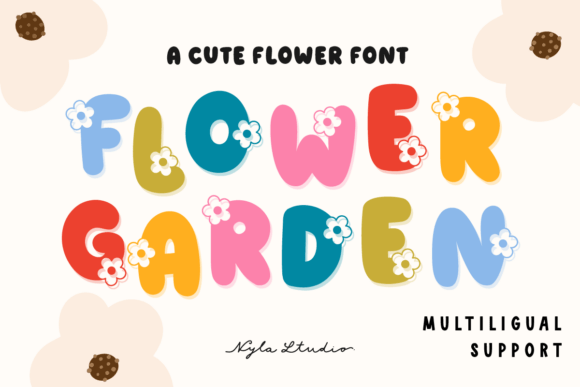
This decorative tiny flower font brings a distinctive visual texture to projects that call for a lighthearted, nature-inspired aesthetic. Each letterform carries delicate floral embellishments that feel organic rather than overdone, striking a balance between whimsy and legibility. It's the kind of typeface that immediately communicates joy, freshness, and creativity—qualities that resonate across industries from handmade goods to boutique branding.
What Makes This Typeface Stand Out
Flower Garden belongs to the broader category of display fonts, meaning it's designed to command attention at larger sizes rather than serve as body copy. What sets it apart from other decorative typefaces is its restraint. Where many novelty fonts overwhelm the eye with excessive ornamentation, this one integrates tiny floral details into each character with subtlety. The flowers don't compete with the letterforms—they enhance them.
For designers who work across multiple platforms, versatility matters. This font shines brightest when used for headlines, logos, and short bursts of text where its personality can breathe. Think of it as the accent piece in a room—pair it with a clean sans serif font for body text, and you've got a visual hierarchy that feels both polished and approachable. That kind of font pairing strategy separates amateur layouts from professional ones.
Bringing Spring and Summer Projects to Life
Seasonal campaigns demand typography that captures the mood of the moment. Flower Garden practically begs to be used on Easter greeting cards, spring sale banners, and summer event invitations. Its organic aesthetic pairs naturally with pastel color palettes, watercolor textures, and botanical illustrations. If you're a small business owner planning a seasonal product launch, this typeface can unify your visual consistency across every customer touchpoint.
Consider a bakery preparing its spring menu. The logo uses Flower Garden for the shop name, while the packaging labels, social media posts, and in-store signage all carry the same typeface. Customers begin to associate those playful letterforms with the brand itself. That's brand recognition in action—not through a complex design system, but through thoughtful, repeated use of a single distinctive font.
Here are just a few seasonal applications worth exploring:
- Easter designs for church bulletins, community events, and children's activity sheets
- Spring wedding invitations and save-the-date cards
- Summer festival posters and local market flyers
- Greeting cards for Mother's Day, birthdays, and thank-you notes
- Mug designs and sticker sheets for Etsy shops and craft fairs
- Playful quotes for wall art and digital downloads
Practical Applications Beyond the Obvious
While the floral details might suggest this font only fits feminine or rustic projects, creative professionals know better. Context determines everything. Use Flower Garden on a children's book cover, and it feels whimsical. Apply it to a wellness brand's product packaging, and it communicates natural ingredients and care. Feature it in a blog header about gardening or outdoor living, and it reinforces the subject matter without a single extra design element.
Logo design is one area where this typeface offers real value for entrepreneurs building a brand identity from scratch. A boutique florist, a handmade soap company, or a children's clothing line could build their entire visual language around this font. The key is pairing it thoughtfully—a serif font for longer descriptions, a simple sans serif for contact information, and Flower Garden as the hero element that ties everything together.
Packaging designers will appreciate how well it translates to physical products. The tiny floral details hold up beautifully on printed materials, from kraft paper labels to glossy product boxes. For editorial design, it works well for chapter headings in lifestyle magazines or pull quotes in blog layouts that need a touch of personality.
Pairing and Readability Considerations
Every creative font comes with trade-offs, and understanding them upfront saves revision time later. Flower Garden is a display font, which means readability drops significantly when used below 16pt or for extended paragraphs. This isn't a limitation—it's simply how decorative typefaces work. Reserve it for headlines, titles, and short phrases where its details can be fully appreciated.
For body text, reach for a reliable sans serif font or a clean serif font that complements without competing. The contrast between a playful headline and a straightforward paragraph creates visual rhythm that keeps readers engaged. Test your pairings at actual size before committing. What looks balanced in a 200px preview might feel cramped or oversized in the final layout.
A few pairing strategies that work well:
- Flower Garden headline + a geometric sans serif like Montserrat or Poppins for web design projects
- Flower Garden logo + a classic serif like Lora or Playfair Display for editorial layouts
- Flower Garden on merchandise + a handwritten companion font for cohesive social media graphics
Always preview your typography on multiple devices and in print if applicable. Screen resolution, paper stock, and ink quality all affect how those delicate floral details render.
Licensing and Commercial Use
Before incorporating any premium font into client work or products for sale, verify the licensing terms. Flower Garden, like most commercial fonts, comes with specific usage rights that determine whether you can use it on physical merchandise, digital products, or both. Some licenses cover unlimited personal projects but require an extended license for commercial use—especially for print-on-demand platforms or mass-produced goods.
If you're a freelancer designing for clients, make sure the license transfers appropriately or that each client purchases their own copy. For small business owners selling products featuring the font—whether on mugs, shirts, stickers, or invitation cards—confirm that your license explicitly permits this. It's a small administrative step that protects your business and respects the type designer's work.
Making the Most of Your Design Assets
Typography is one of the most powerful design assets in any creative toolkit. A single well-chosen font can anchor an entire project, simplify decision-making, and create the emotional response you're aiming for. Flower Garden offers a specific visual voice—warm, organic, celebratory—and when that voice aligns with your project's goals, the results feel effortless.
Whether you're a content creator refreshing your blog aesthetic, a marketer building out campaign materials, or a crafter designing your next product line, this typeface gives you a foundation to build on. Start with the font, choose your complementary typefaces carefully, test across applications, and let the floral details do what they do best—bring a little beauty to the everyday.